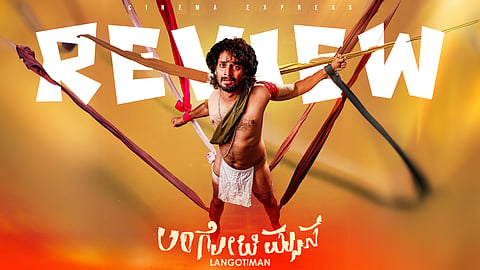

A whimsical yet thought-provoking exploration of identity and societal norms, Langoti Man deftly intertwines humour and drama, chronicling the journey of a youth in a traditional langoti. Under the astute direction of Sanjotha Bhandari, this film boldly tackles the complexities of modern masculinity and the often tumultuous path toward self-acceptance in a rapidly changing world.
The langoti (loincloth) itself becomes a character in its own right that exacerbates the challenges faced by the protagonist, Teerthakumar (Akash Rambo), while exposing deeper societal issues. The theme of fast fashion and its consequences emerge as poignant commentary on consumer culture, reflecting the harsh realities faced by those ensnared in its web. While the loincloth complicates Teerthakumar’s journey, will the film serve as a rallying cry for viewers to reflect on the environmental and ethical implications of their choices?
Director: Sanjotha Bhandari
Cast: Akash Rambo, Sneha Khushi, Samita Vinya, Huli Karthik, Gilli Nata
At the heart of Langoti Man is Teerthakumar, a young man trapped in the rigid traditions of his orthodox Purohit family, dominated by his authoritarian grandfather. The grandfather's strict religious rules, including the mandatory wearing of the langoti, reflect a mindset that prioritises traditions over modern realities. Rather than connecting Teerthakumar to his heritage, the cloth subjects him to ridicule and humiliation in today's society, placing him at a crossroads between tradition and contemporary expectations. The film highlights this dichotomy.
Having lost his father at a young age, Teerthakumar feels compelled to adhere to his grandfather's demands, despite the emotional toll it takes on him. Instead of serving as protective cultural armor, the langoti becomes a symbol of deep-seated pain, leading to bullying and ostracism from his peers. This humiliation intensifies his resentment and ignites a longing for freedom from oppressive expectations.
Teerthakumar accidentally crosses paths with Nabha (Sneha Khushi), the new neighbour and daughter of a police officer, whom he instantly falls in love with. Nabha, a fashionista, embodies modernity, creating a stark contrast to Teerthakumar’s traditional upbringing. During a Satyanarayana Pooja organised by Nabha's family and performed by Theerthakumar's grandfather, Teerthakumar learns about Nabha's brand consciousness, questioning whether he can afford expensive, big-name brands.
As the plot thickens, the film dives into the world of fashion and consumerism, cleverly critiquing the fast-fashion industry and the absurdity of superficiality in modern culture. A crime subplot emerges, shifting focus in the second half of the story. Teerthakumar becomes embroiled in a kidnapping twist, forcing him to confront his vulnerabilities and desire to escape his traditional life for brand-name clothing. This leads to a chase where he is blamed for a hotel incident that complicates his already tumultuous journey.
As Teerthakumar's desperate hope for liberation, the narrative critiques the intersection of tradition, identity, and self-expression. His longing for costly, imported, and branded underwear symbolises not just a rejection of his grandfather’s archaic beliefs but also a quest for personal autonomy in a society that conflates worth with external appearance.
Sanjotha's exploration serves as a critical commentary on the pressures faced by youngsters navigating familial expectations against a rapidly evolving cultural tradition. Langoti Man connects with anyone grappling with the weight of tradition while striving for self-identity, making it a compelling and relevant piece of cinema.
While Bhandra crafts an entertaining and enlightening narrative, some elements—especially the crime subplot—feel convoluted, detracting from the core theme of fashion and its consequences. Certain sensitive scenes, particularly those involving tradition and rituals, could have been handled with more care. The performances by Akash Rambo and Sneha Khushi, alongside supporting actors, provide a fresh take, although the pacing could be improved for greater impact.
Overall, Langoti Man offers a nuanced exploration of societal expectations and personal authenticity. It is a critical examination of how culture, media, and fashion intersect, making it a vital contribution to contemporary cinema and a powerful testament to the impact of female-led storytelling. The film challenges viewers to reflect on their identities while embracing their quirks, leaving us with the resonant question: What does it truly mean to wear your identity with pride?
