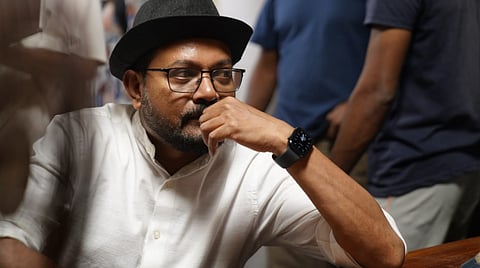

Kannada filmmaker KM Chaitanya has sparked an important conversation about the future of the state's film industry, arguing that the business model sustaining theatrical cinema is becoming increasingly unsustainable. In a strongly worded social media post, the director pointed to soaring multiplex ticket prices, the rapid rise of streaming platforms, and unchecked remuneration for actors and technicians as the three biggest pressures pushing the industry towards decline.
The director, whose latest film Balaramana Dinagalu recently hit theatres, believes the crisis extends far beyond box office numbers. According to him, the economics of filmmaking have fundamentally changed, yet the industry's financial expectations have remained frozen in a different era.
"Multiplexes have made the theatrical experience prohibitively expensive. OTT platforms have made films instantly accessible at home. Yet many actors and technicians continue to demand the same high remuneration without acknowledging these realities. All these factors together are pushing our film industry towards decline. We need to think collectively if we want to stop it," Chaitanya wrote.
His remarks have struck a chord within the industry, drawing responses from filmmakers and producers who believe structural reforms can no longer be postponed.
Director and producer BS Lingadevaru endorsed Chaitanya's concerns, stressing that the responsibility of protecting cinema cannot rest solely with producers. He argued that every stakeholder, from exhibitors and distributors to actors, technicians and studios, must share the burden of rebuilding a sustainable ecosystem.
According to Lingadevaru, films must first complete their theatrical journey before reaching television, OTT platforms and mobile devices, allowing cinemas to retain their value while ensuring the industry's economic cycle remains healthy.
He also proposed a significant shift in the way talent is compensated. Instead of relying entirely on fixed fees, he suggested that actors and technicians could combine a reasonable upfront payment with a profit-sharing model tied to a film's commercial performance.
Such a system, he argued, would reduce the enormous financial pressure on producers during production while giving artists a greater stake in a film's success. It would also encourage more ambitious projects by lowering the risk involved in financing them.
Lingadevaru further maintained that producers must continue to fully protect workers' wages, daily food expenses and other essential production costs. However, everyone else involved in filmmaking should be willing to make measured sacrifices for the long-term health of the industry rather than focusing solely on immediate financial returns.
The debate also drew a blunt response from actor and filmmaker Nagendra Aras, who called for formal regulation of star remuneration.
Pointing to the model followed by the Kerala Film Chamber, Aras argued that remuneration should be linked to an artist's proven market value instead of being determined solely through individual negotiations. He questioned whether some stars demanding enormous salaries genuinely possessed the box office pull to justify those figures.
His comments reflect a growing sentiment among sections of the industry that production budgets have become disproportionately dependent on star fees, leaving little room for investment in writing, production quality, marketing or theatrical outreach.
Chaitanya's observations come at a time when regional cinema across India is grappling with changing audience habits. Streaming platforms have altered viewing behaviour, theatrical attendance has become increasingly event-driven, and rising ticket prices have made family outings to cinemas more expensive than ever. Producers, meanwhile, continue to navigate escalating production costs alongside unpredictable box office returns.
While there is no consensus yet on how these challenges should be addressed, Chaitanya's post has reignited a conversation that many believe the industry has postponed for too long.
The question is no longer whether the business model has changed. It is whether every stakeholder is prepared to change with it before the economics of filmmaking become impossible to sustain.
