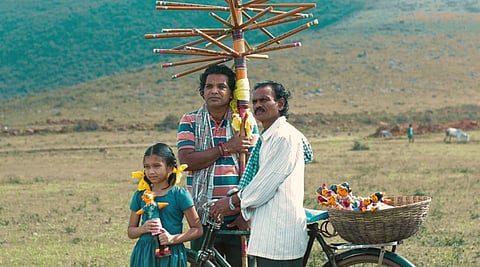

Much like Malgudi Days captured the soul of small-town India, Odisha now has its own cinematic village to call home. Maliput Melodies, an Odia anthology film steeped in everyday lives and quiet emotions, continues its festival journey after premiering at the Indian Panorama section of IFFI Goa and most recently at the Chennai International Film Festival.
Directed by Vishal Patnaik and written by Sudhakar Patnaik, the movie is rooted in the hills and culture of Koraput. Conceived initially as a web series, the movie eventually evolved into a feature film, an anthology of four stories woven around the fictional village of Maliput. Though imaginary, Maliput mirrors many real rural settlements of Odisha: places where roads are scarce, communication is limited, and yet life carries on with dignity and grace.
The village is inhabited by artisans, flute makers, farmers, zamindars and many more, ordinary people leading ordinary lives that become extraordinary when viewed up close. "The film draws from these microscopic moments, presenting characters as you would find in a village," says the director.
"Maliput was imagined as a village that symbolises Odisha and reflects rural India as a whole. The characters drift in and out of each other’s stories, reinforcing the sense of belonging to one world, one community," Patnaik says.
The movie consists of four chapters, namely Kanaphula (earrings), Rangamati, Baidakaria and Subha Bibhaghara (Happy Marriage).
The first chapter, Kanaphula, follows a toymaker and a flute maker who dream of gifting earrings to their daughters. To earn the money, they plan to sell their wares during the Rath Yatra, but then the pandemic strikes, altering the course of their hopes. The second story, Rangamati, revolves around two brothers. The elder plays volleyball, dreams of moving to Bengaluru, and one day abruptly decides to chase that dream. However, he meets a Bengaluru returnee at the bus stand, which makes him question his choices. The younger brother, still in school, helps the family by selling snacks, while their mother weaves to make ends meet. What follows is a tender exploration of longing and reality.
In Baidakaria, the third chapter, four traditional musicians await their annual invitation to perform during Dussehra at the Jeypore palace. The festival date nears, yet no word comes from the king. Internal differences within the group complicate the situation, and their attempts to find out why they were overlooked form the core of the story. The anthology concludes with Subha Bibhaghara, centred on the marriage rituals of a zamindar family, right from the groom’s first visit to see the bride to the intimate, fleeting moments that make village weddings unforgettable.
Shot over two years, from 2021 to 2023, in and around Jeypore with local artistes, the film remains fiercely loyal to the region’s cultural heartbeat.
Tosh Nanda, who composed the music for the movie and also penned the lyrics, says that the 'Melodies' of the movie refer to a bouquet of a variety of songs. Its six songs draw from Koraput’s folk traditions, Odissi influences, and contemporary pop sensibilities. "We have tried to present a signature musical tone for South Odisha, something that has rarely been articulated before," Nanda says.
With its raw music, lived-in performances and deeply local storytelling, Maliput Melodies represents the quiet strength of independent filmmaking in Odisha. It is expected to hit theatres around March next year, offering audiences a new cinematic experience shaped by authenticity and melody.
