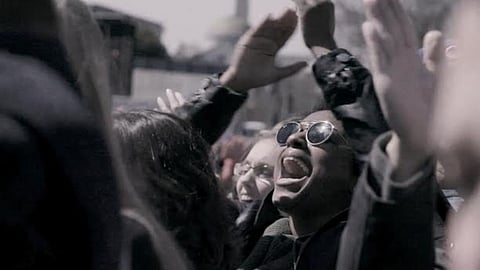

Stefano Da Frè and Laura Pellegrini, in their acclaimed short documentary, The Day I Had To Grow Up, ask a group of six American Gen Z activists what democracy means to each one of them. Individuality, Unity, Empathy, Hope, Strength: their replies reveal a political consciousness we haven’t quite credited the generation for. The boomers, Gen X and millennials have seen them as tech savvy, digital natives who are practical, materialistic, unbothered, non-serious and prone to talk in slangs that the preceding generations can never quite fathom or master.
It was evident in the cold shoulder initially given to the Cockroach Janta Party and their protest but eventually they had not just the young but also the old join hands on the demands of accountability from the government and the reform of the Indian education system. They helped the cynical oldies, like yours truly, who thought the concept of protest would be entirely alien to them, see hope and made the fearful find their voice again.
It's in the light of the remarkable moment we are in that The Day I Had To Grow Up strikes a chord and makes for not just an apt but mandatory watch (available for free viewing on Plex). There are no artistic flourishes in the film when it comes to the form. The narrative is plain and simple and that is what keeps it sharp and stinging in delivering the message—that our future is safe in the hands of Gen Z.
It is all about asking questions to the 17/18 year old activists and, in the process, drawing out surprisingly candid, politically and socially aware responses from them. There’s Jeremy Ornstein and his Sunrise Movement, focused on the climate crisis. Taylor Nicole Turner’s close encounter with gun violence has given her the mission to help keep the world safe. Violet Kopp, from an immigrant family, wants the voting age to be decreased so that more young people can have access to democracy. Griffin Gould is a proponent of social justice and concerned about the influence of money in politics. Sofia Ongele is engaged with women’s rights, reproductive rights and Black Lives Matter and Saira Salyani has been drawing attention to students’ loans and public school funding issues in a quest for equitability in education.
Stock footage of young climate warriors calling on the Congress to adopt climate change reforms, protests, arrests and the school shootouts are woven into the free flowing, easy conversations with the youngsters. The footage of Jeremy’s viral speech on climate change that attracted 1.4 million eyes makes him come across a tad bit righteous initially but then a passionate and powerful statement—“When politicians plant the seed of fear and hate, they grow into bullets and blood”—instantly floors you.
Like our own Neha, Meghnad, Abhijit, Saurav, Ashutosh and so many others, Jeremy, Taylor, Griffin, Violet, Sofia, Saira are the faces of a generation you mistakenly thought of as anti-social, given to living inside their mobiles but actually stands for community, courage, trusting themselves and having each other’s back. They aspire to listen and learn, instead of just talking, a lesson the politicians could well learn.
Such riveting responses make you doff your hat to them. What are the advantages of being Gen Z when it comes to ushering in a change? “We can make a difference because we are at the intersection of criticality and hope. We see the pain of today as well as the possibility in the future,” says Jeremy. “We’re not waiting to get old enough to make a change. We’re making it now,” says Violet. You hear it.
How does social media help? In speaking their minds and sharing their ideas and information with others, says Sofia. “It can help in educating each other, in advocacy and in sparking a movement,” she adds. Just as it did in India.
They are all about ushering in a new era of politics which, Jeremy claims is “about bringing people together and speaking clearly about moral priorities in the context of lived experiences”. But what if their efforts fail? You gotta do what you gotta do. Keep marching, organising, fighting and keeping the hope alive. Jeremy, as usual, has the last word: “Big changes are not in the laws but in the power we are building with each other.” Amen to that.
