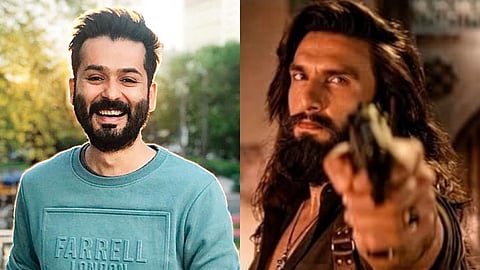

Allegations of political propaganda have been made against filmmaker Aditya Dhar for a long time now, right from his directorial debut Uri: The Surgical Strike (2019) to the latest movie Dhurandhar: The Revenge. The filmmaker has denied the allegations multiple times in interviews and public events, even though it has always followed him.
Once, he was asked about the presence of propaganda in the 2024 film Article 370, directed by Aditya Suhas Jambhale from Aditya and Monal Thaakar's screenplay. Speaking about the film, starring his actor wife Yami Gautam in the lead role, Aditya said that the the ruling government at the time did not need the movie to win the elections. "I seriously feel that the current government does not need a small film like ours to win the election. They made Ram Mandir for us; it took us 500 years to get that. I do not think they need us to get them votes," the filmmaker said at the time.
Aditya Dhar's comments from two years ago are trending again, now that Dhurandhar: The Revenge openly credits the Narendra Modi-led BJP government for its demonetisation policy as a masterstroke of a decision that curbed terrorism in India. Ever since its release, the film's critics have been arguing that demonetisation only had a negative effect on the country's economy, and despite the government's intentions at the time, its implementation did not end terrorism. The detractors cite multiple terror attacks that happened in India after demonetisation as examples of how it did not have the intended effect.
Coming back to Dhurandhar: The Revenge, the film's release meant that the propaganda allegations against its maker reached a fever pitch. Despite the allegations, however, the film has been making waves at the box office.
