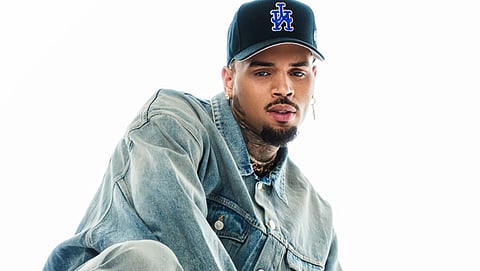

The consequences of a celebrity’s actions can extend well beyond the immediate headlines, particularly when a case involves violence and the criminal justice system. For high-profile figures, a court’s decision also brings renewed attention to the distinction between public popularity and accountability under the law.
For American singer Chris Brown, the legal proceedings over an incident at a London nightclub in 2023 have now reached the sentencing stage. The case centres on an assault involving music producer Abraham Diaw, with prosecutors presenting CCTV footage and detailing the events that unfolded at the venue.
Brown was sentenced to eight months in prison at Southwark Crown Court in London on October 26. However, the sentence was suspended for 12 months, meaning he will not serve immediate jail time unless he breaches the conditions of the suspension. Brown had pleaded guilty to affray in July. His vocal coach, Omololu Akinlolu, also pleaded guilty to the same offence and received a four-month prison sentence, suspended for 12 months.
According to the UK Crown Prosecution Service (CPS), the incident took place at Tape nightclub in Hanover Square in the early hours of February 19, 2023. Prosecutors said Brown struck Diaw twice on the head with a glass tequila bottle. Akinlolu subsequently joined the attack, and the assault continued as Diaw attempted to get away. The victim sustained injuries to his head and knees and was taken to hospital.
During sentencing, Judge Tony Baumgartner described the incident as “serious, public violence”. He also made it clear that Brown’s celebrity status would not earn him preferential treatment, stating that his “fame, commercial success and professional standing do not entitle him to special treatment – the law applies equally to everyone”.
The singer and Akinlolu had previously denied more serious charges, including assault and attempting to cause grievous bodily harm. Those charges were dropped following their guilty pleas to affray, a public-order offence involving the use or threat of unlawful violence that causes others to fear for their safety.
Brown was arrested in May 2025 after returning to the UK for his tour, more than two years after the incident. His arrest initially raised questions about whether the tour could proceed. He was eventually released on bail after agreeing to provide £5 million in security, allowing the performances to go ahead.
The sentencing has also brought renewed attention to Brown’s previous legal troubles. In 2009, he pleaded guilty to assaulting his then-partner, singer Rihanna, and received five years’ probation. He has faced other legal proceedings in the years since.
Despite the seriousness of the London case, Brown remains a commercially successful recording artist. His lawyer, Sallie Bennett-Jenkins, told the court that he was profoundly sorry for the incident and described him as a dedicated father. The suspended sentence means he avoids immediate imprisonment, but the court’s decision leaves him subject to the conditions of the order for the next 12 months.
